
"washed G2"
500 article(s) found

Raw beans of Ethiopian Sidamo Coffee treated with Water washing G2 Grade imported Coffee unbaked beans
Today, there are still a large number of wild Arabica coffee trees growing in many parts of Ethiopia, averaging between 4200 and 6800 feet above sea level. Now there is a trend of small cultivation, generally planting banana trees for shade at the same time, but due to lack of agricultural technology, herbicides and pesticides are less used. Coffee is Ethiopia's main economic crop and the largest in the country.

Hand flush Yega Xuefei lemon blossom parameter sharing _ Yega Xuefei G1 and G2 hand punch comparison
Professional coffee knowledge exchange more coffee bean information please pay attention to the coffee workshop (Wechat official account cafe_style) Yega Xuefei lemon flower is a stable quality, excellent flavor and high cost performance of the washed G2 Yega Xuefei, its raw bean defect rate is less than 1%, and the raw bean stage has a spice-like taste it has the most acclaimed sweet aromas of lemon, jasmine and honey.

Ethiopian Coffee Manor Fine Coffee Bean Origin, Development, History and Culture
It has been estimated that there are at least 2000 varieties of Ethiopian coffee and even more than 4500 kinds of coffee. Compared with the fat posture of Bourbon SL28, the main variety next to Kenya to the south, or Tibica in Central and South America and Asia, Ethiopian beans look a little malnourished. But beans can't be judged by appearance, and Ethiopian coffee has the highest citrus flavor in the world, whether it's instant coffee or

Dilla producing area of Yegasuefei, Ethiopia | KOKE Coop Coco Cooperative washes local native.
Professional coffee knowledge exchange more coffee bean information please follow the coffee workshop (Wechat official account cafe_style) Ethiopia Yega Xuefei Dilla production area | KOKE Coop Coco Cooperative washing local native species G2 flavor? In Ethiopia, washed beans will be distinguished by adding G1 and G2 after the name (G1 is of better quality). Immediately after the coffee and cherry harvest is completed.

Flavor description of Yega Xuefei G2-flavored coffee beans regional varieties produced by taste treatment
Description of the flavor of Yejiaxuefei G2-flavored coffee beans most varieties of coffee beans in the region are washed with water, but a small number of peas are deliberately sunburned to enhance their charming fruit aroma and mellow thickness. These mountain villages are foggy, like spring all year round, with a gentle breeze in summer, cool but not hot, rain but not damp, and no cold damage in winter, giving birth to the unique fragrance of citrus and flowers.
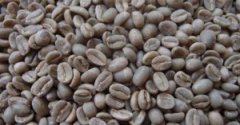
Brief introduction of Ethiopian Coffee the hometown of Arabica Coffee
Lim G2 Ethiopia is the hometown of Arabica coffee, and you can see wild Arabica coffee in the forests of the Kaffa region. In Ethiopian, coffee is called Bun or Buna, and coffee beans (coffee bean) may be translated from Kaffa Bun. Arabica coffee has long been found in the Harald area, which is very accessible.
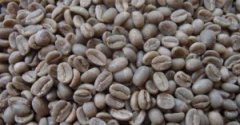
A brief introduction to boutique coffee beans and Ethiopian coffee
Lim G2 Ethiopia is the hometown of Arabica coffee, and you can see wild Arabica coffee in the forests of the Kaffa region. In Ethiopian, coffee is called Bun or Buna, and coffee beans (coffee bean) may be translated from Kaffa Bun. Arabica coffee has long been found in the Harald area, which is very accessible.

Ethiopian Coffee-Wash Coffee Yerga Sherfi Flavor Introduction
Yirgacheffe Coffee has a strong floral flavor. Washed Yerga Sherfi is one of the world's finest high quality coffee, with soft acidity and rich body. Top and Bebeka coffee, low in acidity but high in body, is an indispensable member of the blend coffee. Grade of Ethiopian coffee: Ethiopian washed coffee Ye Jia Xue Fei G1 G2 West Damo (Yi

Introduction of fine Sidamo water-washed sun-dried G1G2 coffee beans in Shaquiso, Kenya
Description of the flavor and taste of which coffee beans are produced in Shaqiso, Kenya. Ethiopia's Sidamo is a type of single origin, growing in Arabica coffee in Ethiopia's Sidamo province. Like coffee in most African countries, Ethiopian Sidamo is characterized by small gray beans, but characterized by its rich, spicy, wine or chocolate-like taste and floral aroma.
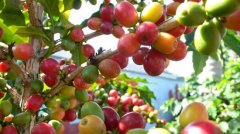
Ethiopia YCFCU Water washing Yegashifedama Cooperative G2 level
There are eight major producing areas in Ethiopia: Ekempti, Limu, Illubabor, Djimma, Harrar, Teppi/Bebeka, Sidamo and Yirgacheffe. Yirgacheffe is located in the Gedeo region of southern Ethiopia, and the jurisdiction of this area is better known as Yegashafi and Kochere. Because of Yirgacheffe

Flavor description of coffee beans from the Yerga Sherphine Kocher process
Yirgacheffee G2 Washed Ethiopia Yirgacheffee G2 Flavor Keyword: lemon Roast: light Roast Treatment: Washed Altitude: 1600~1800M Bean Size: 16~17 mesh Origin: Ethiopia Kocheer Generally speaking, sun-treated beans will bring
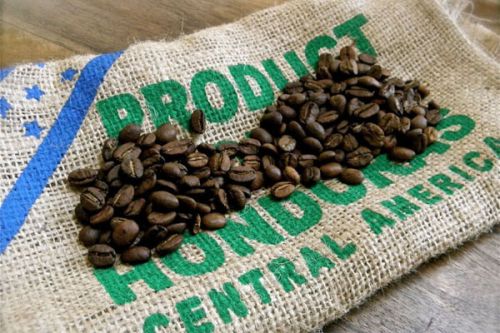
Is Ethiopia sidamo Sidamo G2 Robusta or Arabica? Coffee beans
Coffee has more than a hundred varieties of coffee, the more common coffee are: Arabica Arabica, outstanding personality, unique flavor, is the main force of boutique coffee, mainly used for coffee shop management and high-end coffee market supply; Robusta Robusta, rough flavor, high caffeine content, not boutique coffee, often used for instant coffee processing and Italian coffee mixed beans. Ethiopia Typi

Cochell kochere Coffee Manor Ethiopia Yega Sheffield Garden washed coffee beans grade G2
Boutique coffee (specialty coffee) is also called specialty coffee selection coffee. It refers to coffee made from a small number of raw beans with excellent taste grown in an ideal geographical environment. Depending on the special soil and climatic conditions in which they grow, they have outstanding flavor. After strict selection and classification, this kind of coffee is hard in texture, rich in taste and stylish.
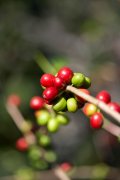
Ethiopian water wash Yega Sheffidama Cooperative G2 coffee bean boutique coffee
There are eight major producing areas in Ethiopia: Ekempti, Limu, Illubabor, Djimma, Harrar, Teppi/Bebeka, Sidamo and Yirgacheffe. Yirgacheffe is located in the Gedeo region of southern Ethiopia, and the jurisdiction of this area is better known as Yegashafi and Kochere. Because of Yirgacheffe

The difference between Yega Snow Coffee G1 and G2 introduction to the characteristics and prices of Yega Xue Coffee beans
Professional coffee knowledge exchange more coffee bean information please follow the coffee workshop (Wechat official account cafe_style) if all the beans in Africa are turned into a bunch of flowers, Yirgacheffe Yega snow coffee beans should be one of the most beautiful flowers Ethiopia is the birthday of Arabica coffee beans

The grade of Ethiopian coffee
The highest grades of Ethiopian washed coffee Yega Chuefei G1 G2 Sidamo (Yirgacheffe, Sidamo) are Grade 2 and Grade 3 (G2, G3), while most of the sun-processed coffee in eastern Ethiopia are Grade 4 or Grade 5 (G4, G5). In many cases, level 4 coffee is marked as level 5 in order to reduce taxes. At present, the grading is not uniform and messy, because there is also sun processing.

The grade of Ethiopian coffee
Grade of Ethiopian coffee: Ethiopian washed coffee Yega Chuefei G1 G2 Sidamo (Yirgacheffe, Sidamo) has the highest grades 2 and 3 (G2, G3), while sun-processed coffee in eastern Ethiopia is mostly grade 4 or 5 (G4, G5). In many cases, level 4 coffee is marked as level 5 in order to reduce taxes. At present, the classification is not uniform and there are

Introduction to the grade of Ethiopian coffee
Grade of Ethiopian coffee: Ethiopian washed coffee Yega Chuefei G1 G2 Sidamo (Yirgacheffe, Sidamo) has the highest grades 2 and 3 (G2, G3), while sun-processed coffee in eastern Ethiopia is mostly grade 4 or 5 (G4, G5). In many cases, level 4 coffee is marked as level 5 in order to reduce taxes. At present, the classification is not uniform and there are
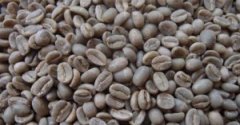
Ethiopian coffee beans, coffee beans
Ethiopia is home to Arabica coffee, and it is in the forests of the Kaffa region that you can see Arabica coffee growing wild. In Ethiopian, coffee is called Bun or Buna, and coffee beans may be translated from Kaffa Bun. Arabica coffee was discovered early in the Harar region, most likely from Karachi.